
How to Evaluate a Solana NFT Collection Before Buying
Solana NFTs carry unique risks beyond fungible tokens. Learn how to research collection legitimacy, evaluate floor price sustainability, and avoid NFT rug pulls.
 Hannisol Team
NFTs follow different rules — and different scams
Evaluating a Solana NFT collection before purchase requires a different analytical framework than evaluating a fungible token. The scam vectors, liquidity characteristics, and value drivers are distinct enough that applying fungible token analysis to NFTs leads to systematic errors. A Solana NFT collection can have impeccable on-chain security while being an elaborate rugpull, pump scheme, or worthless JPEG selling at artificial prices through wash trading.
The primary markets: Tensor and Magic Eden
Solana's NFT trading ecosystem revolves around two primary marketplaces: Tensor (which has become the dominant platform for sophisticated NFT traders, offering advanced analytics and order book-style liquidity) and Magic Eden (the historically dominant platform with the broadest user base).
Key data available on both platforms for any collection:
- Floor price: the lowest listed price in the collection
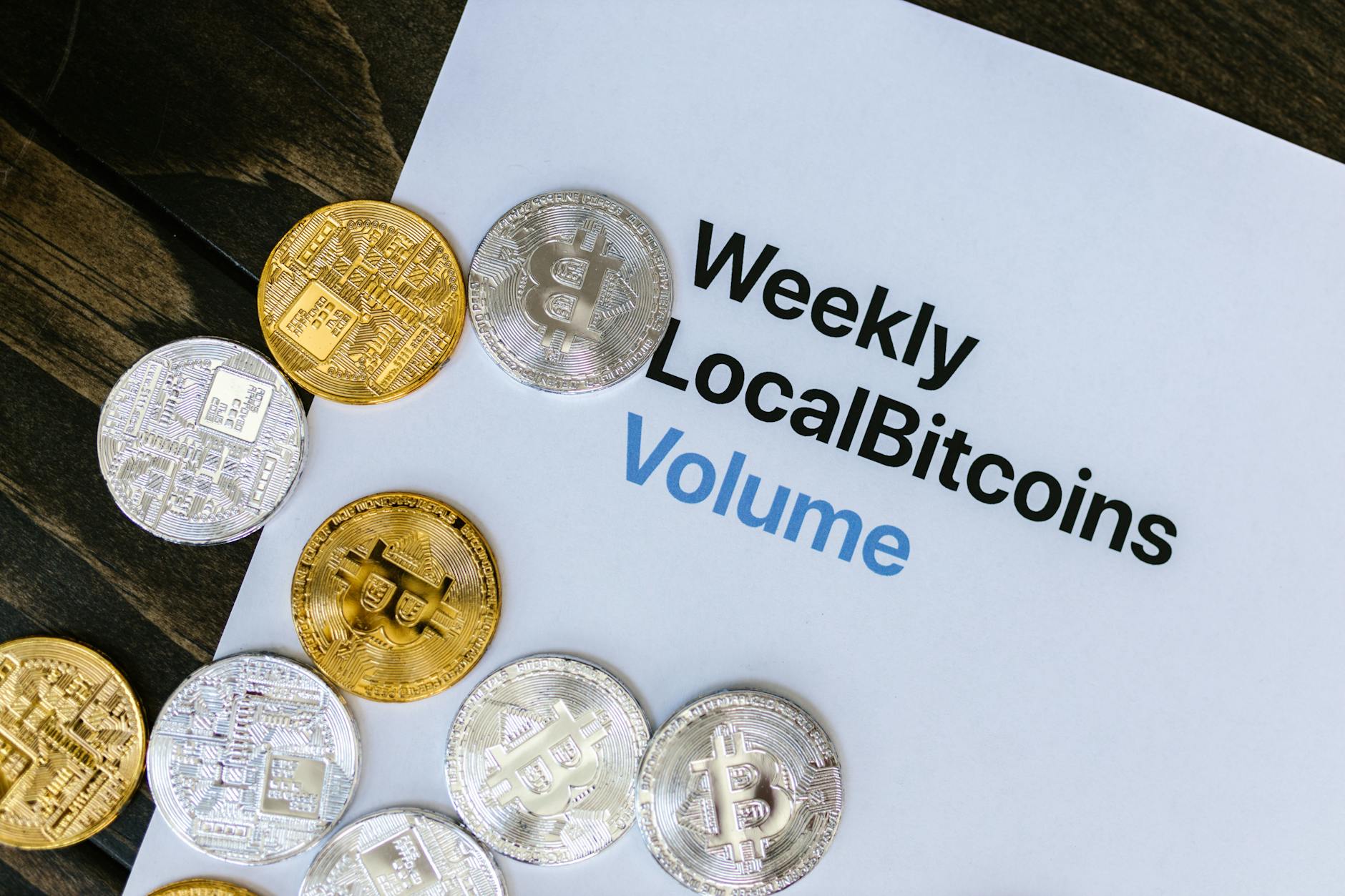
- 24h / 7d volume: total trading activity, indicating market depth and liquidity
- Number of holders: how many unique wallets own at least one NFT from the collection
- Listed percentage: what fraction of the collection is currently listed for sale — high listing rates indicate selling pressure
Evaluating collection legitimacy
Verify the official collection address: NFT scammers frequently create copycat collections with identical artwork and names, listing them at below-floor prices to trick buyers into purchasing worthless copies. Always verify you're looking at the official collection by cross-referencing the collection's contract address against the project's official website and verified social media accounts. On Tensor, verified collections have a checkmark.
Research the team's track record: Successful NFT collections tend to have identifiable creators with prior work history — previous collections, art portfolios, or developer credentials. An anonymous team launching an NFT collection with no prior work has no track record to evaluate and no reputation at stake if they abandon the project.
Evaluate the artwork and concept independently: Collections that have sustained value share certain characteristics: consistent artistic style, identifiable aesthetic, cultural resonance, and a concept that extends beyond simple variation on an existing successful collection.
Evaluating floor price sustainability
Volume-to-floor-price ratio: A collection with a $5,000 floor price but only $2,000 in weekly trading volume has almost no liquidity — selling even one item at floor will be difficult. Healthy collections have at least 10–20× their floor price in weekly volume.
Holder concentration: If 10 wallets hold 60% of a collection's supply, those wallets can coordinate to manipulate floor price. Healthy collections have broad holder distributions.
Community quality: The most durable Solana NFT collections have active, genuine communities — Discord servers with meaningful conversations, Twitter engagement that isn't just price-posting. Community quality is identifiable by spending 30 minutes in the Discord before buying.
For token-based NFT projects that also have associated fungible tokens, apply Hannisol's standard security analysis to the token component. Check at Hannisol.
Ready to apply this to a real token?
Run any Solana mint address through Hannisol's 8-dimension risk engine — free, no signup required.