

What Are Solana Validators and How Do They Keep the Network Running?
Validators are the backbone of Solana's network. Learn what they do, how they earn rewards, how staking connects to them, and why their distribution matters for security.
 Hannisol Team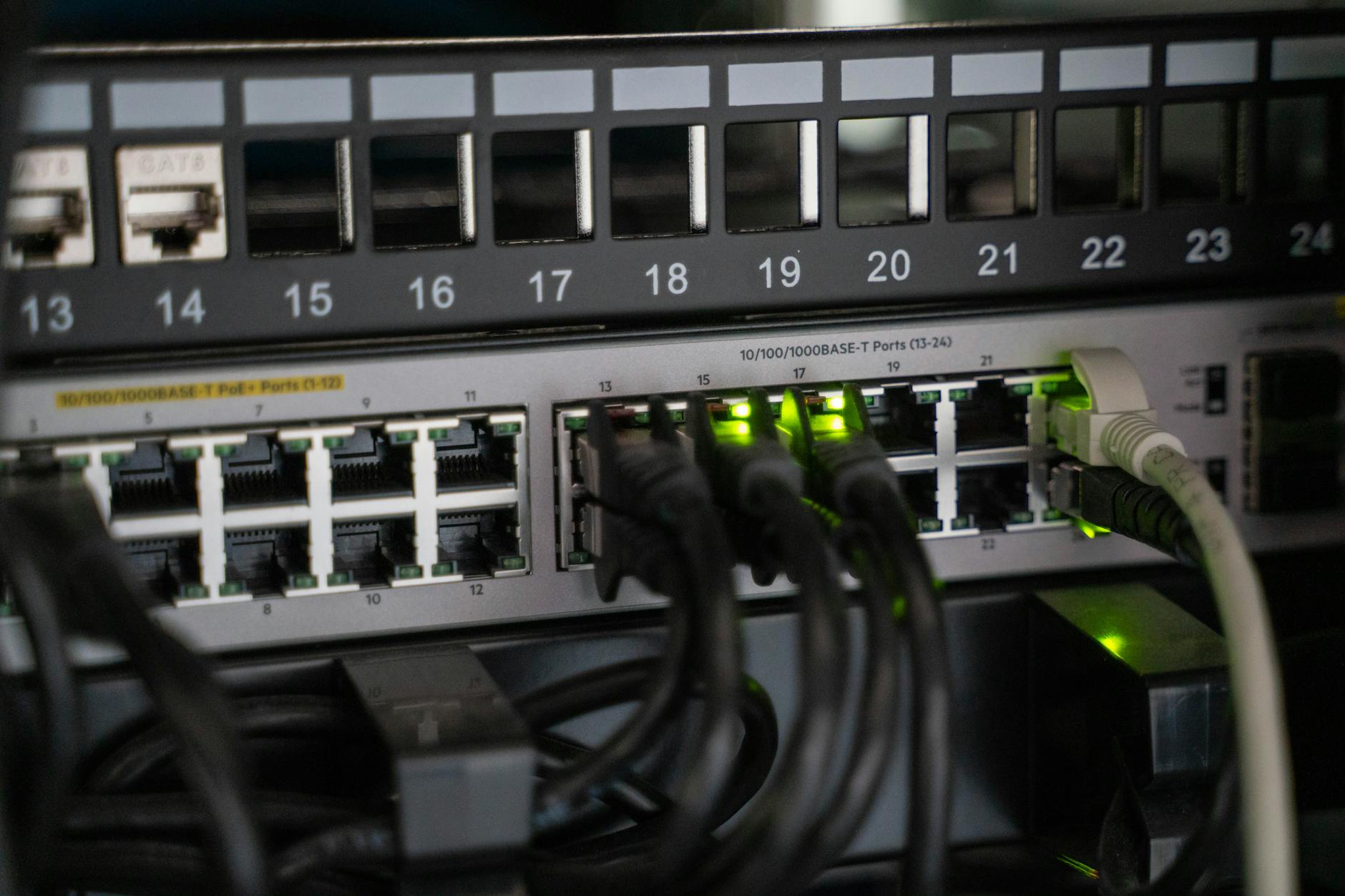
The servers that make every Solana transaction possible
Every time you swap a token on Raydium, mint an NFT, or check your wallet balance, a distributed network of servers called validators is doing the work behind the scenes. Validators are the computational infrastructure of the Solana network — they receive transactions from users, verify their validity, organize them into blocks, and broadcast the results to the rest of the network. Without validators, there is no Solana.
What a validator actually does
A Solana validator is a server — typically a high-performance machine with fast CPU, large RAM, and high-bandwidth network connection — running the Solana validator client software. Its core responsibilities:
Receiving and voting on blocks: Validators continuously receive newly proposed blocks from the current block producer (called the "leader"), verify that each transaction in the block is valid, and broadcast their vote on whether to accept or reject the block. This voting process is how Solana achieves consensus — when enough validators vote to accept a block, it becomes finalized.
Producing blocks (as leader): Validators take turns being the "leader" — the node responsible for actually producing the next block. The leader schedule is determined in advance for each epoch (roughly 2-3 days) based on each validator's stake weight. Higher-staked validators are selected as leader more frequently.
Maintaining network state: Validators store and update the global state of the Solana blockchain — every account balance, every program state, every token holding.
How validators are compensated
Validators earn revenue from two sources:
Block rewards: When a validator acts as leader and produces a block, it earns a portion of the newly issued SOL generated by Solana's inflation schedule. Solana currently has an annual inflation rate of approximately 4.7%, declining by 15% per year toward a long-term target of 1.5%.
Transaction fees: Validators earn a portion of the transaction fees paid by users. Currently, 50% of each transaction fee is burned (reducing total SOL supply) and 50% goes to the validator that produced the block. Validators charge their delegators a commission — typically 5–10% of earned rewards — to cover their operational costs.
How staking connects to validators
If you want to earn staking rewards on your SOL, you delegate your SOL to a validator. This doesn't mean you're sending your SOL to the validator — you remain in custody of your tokens. Instead, your SOL's stake weight is added to the validator's total stake, increasing their influence in the voting process and earning you a proportional share of their rewards.
Choosing a validator to stake with matters. Key factors: commission rate, uptime history, vote account performance, and geographic decentralization.
Why validator decentralization matters for token buyers
The security of the Solana network depends on no single entity controlling enough validators to manipulate the consensus process. If a single operator controlled 33%+ of the stake, they could disrupt finality. If they controlled 67%+, they could potentially manipulate transaction ordering.
Currently, Solana's validator set is reasonably decentralized with 1,500+ active validators — but stake concentration remains a concern, with the top validators controlling a disproportionate share of total staked SOL.
Check Hannisol's full token analysis for any Solana token.
Ready to apply this to a real token?
Run any Solana mint address through Hannisol's 8-dimension risk engine — free, no signup required.