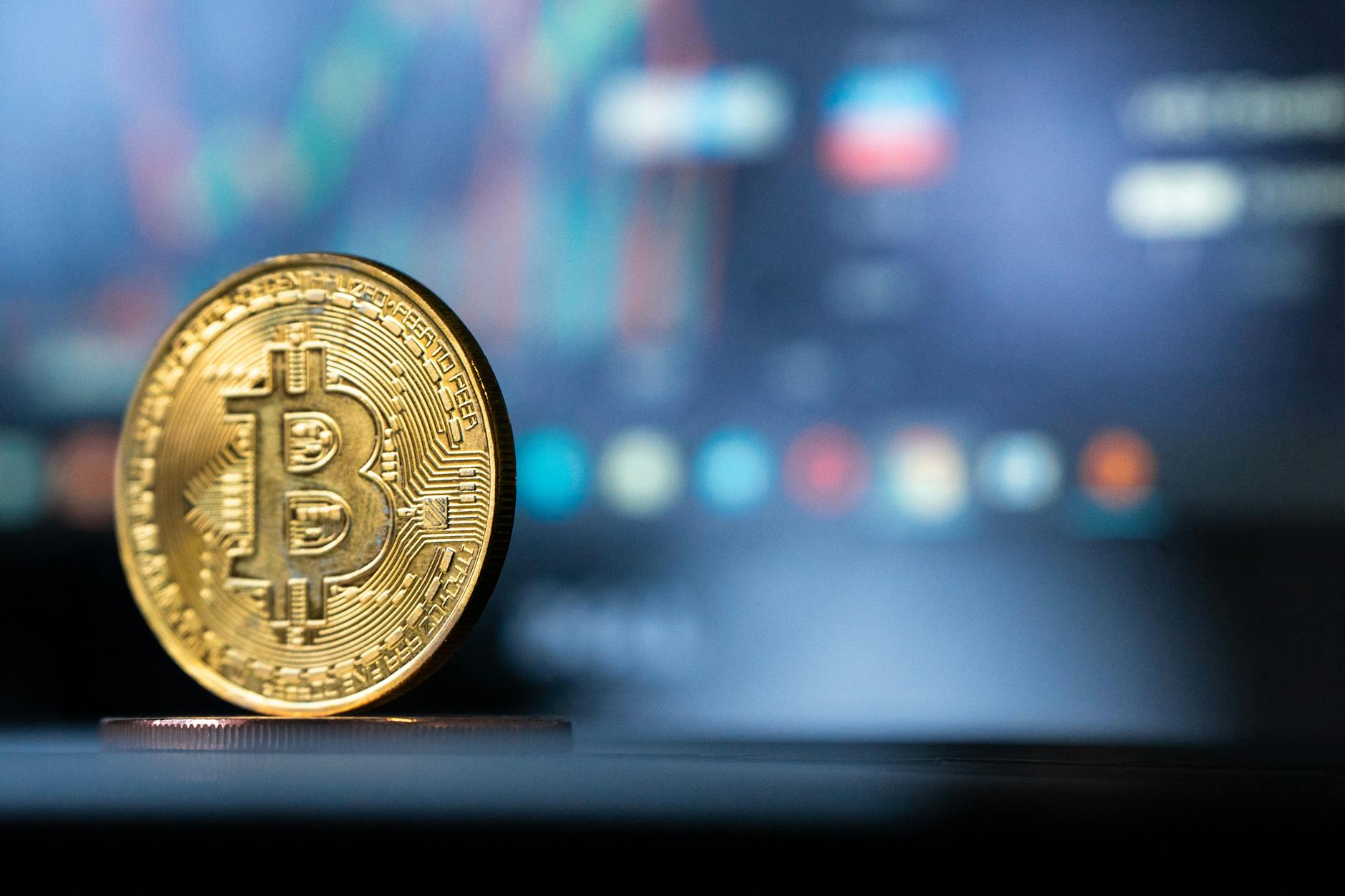


Understanding Crypto Correlation: How Bitcoin Moves Solana Tokens
Bitcoin's price moves affect your entire Solana portfolio — even if you own zero Bitcoin. Learn how correlations work in crypto, when they're strongest, and how to think about macro risk.
 Hannisol Team
The invisible portfolio exposure you didn't choose
Imagine your Solana portfolio has no Bitcoin and no Ethereum. Just a collection of Solana-native tokens: some DeFi protocols, a few meme coins, and your SOL holding. Now Bitcoin drops 15% in 24 hours. Your portfolio will almost certainly decline significantly — possibly more than 15% — despite having no direct Bitcoin exposure. This is correlation in action, and it is the most important macro concept for Solana token holders to understand.
Why Bitcoin price drives the entire crypto market
Bitcoin functions as the "risk-on" indicator for the entire crypto asset class. Institutional investors, fund managers, and large retail participants use Bitcoin as their primary gauge of crypto market sentiment. When Bitcoin falls, these participants reduce crypto exposure broadly — selling altcoins, reducing DeFi positions, moving to stablecoins. The capital flows out of the entire ecosystem, not just out of Bitcoin.
The correlation is not coincidental — it reflects real capital flows. When a fund sells Bitcoin and buys the proceeds, that capital is often deployed across the crypto ecosystem in correlated patterns. When they sell, the same pattern operates in reverse.
Measuring correlation in practice
Correlation is measured on a scale from -1 to +1. A correlation of +1 means two assets move in perfect lockstep. A correlation of 0 means no relationship. A correlation of -1 means they move in perfect opposition.
Historical data shows: Solana (SOL) has a correlation with Bitcoin typically ranging from 0.7 to 0.9 over rolling 90-day periods. Major Solana DeFi tokens correlate with Bitcoin at 0.6–0.85. Meme coins on Solana correlate with Bitcoin at 0.5–0.8 but with higher variance.
These numbers mean: approximately 70–90% of price movements in your Solana token portfolio are explained by Bitcoin's direction, not by anything specific to the tokens you hold. This is a sobering figure for anyone who believes they're making independent analytical decisions.
When correlations increase and decrease
Correlations increase during stress: In market panics, sell-offs, and crises, all crypto assets converge toward correlation of 1.0. Diversification within crypto provides almost no protection when the trigger is macro (regulatory news, exchange failures, broad risk-off events).
Correlations decrease during altcoin seasons: During periods when Bitcoin is stable and capital rotates into altcoins seeking higher returns, token-specific fundamentals matter more. This is when genuine analysis of individual projects becomes more differentiated from simply following Bitcoin.
Correlations decrease for token-specific catalysts: A major protocol upgrade, hack, partnership, or listing creates token-specific price movement that temporarily dominates the Bitcoin correlation.
Use Hannisol to focus your analysis on the token-specific factors that matter when correlations are lower — security, liquidity depth, holder distribution. Check any token at Hannisol.
Ready to apply this to a real token?
Run any Solana mint address through Hannisol's 8-dimension risk engine — free, no signup required.