

Understanding Crypto Winter: How to Survive a Bear Market
Crypto winters destroy most participants — not by price alone, but by forcing bad decisions under pressure. Learn what bear markets actually look like, how long they last, and the strategies that preserve capital.
 Hannisol Team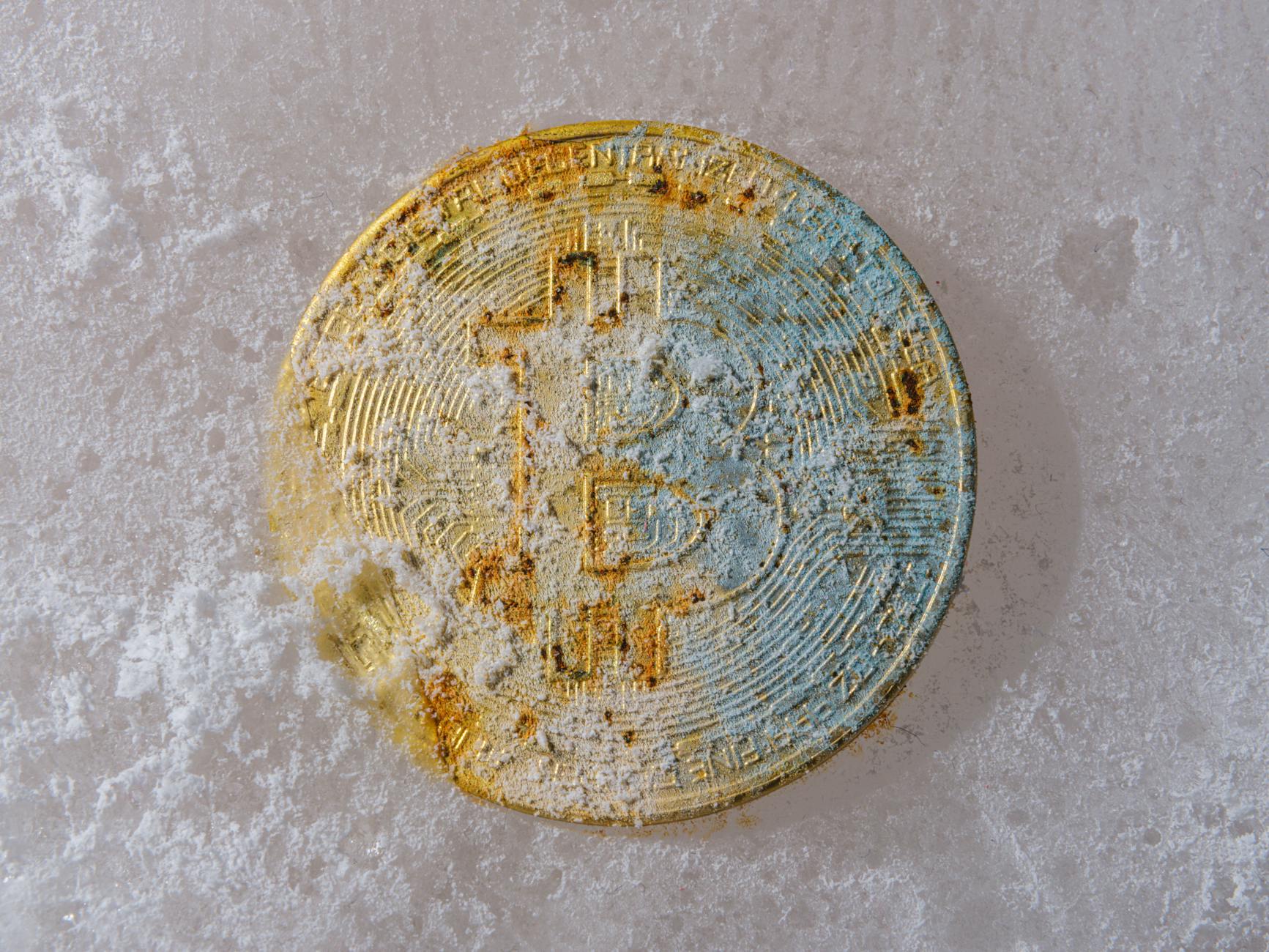
The period that separates genuine participants from speculators
A crypto winter is an extended period of declining prices, suppressed trading volume, reduced project development activity, and pervasive negative sentiment that can last anywhere from 12 to 36 months. The 2018–2020 winter saw Bitcoin decline 84% from peak to trough and took nearly three years to reach new highs. The 2022 winter, which began with Luna's collapse, saw similar declines across the ecosystem with many tokens never recovering at all.
Understanding what a bear market actually looks like — distinct from a routine correction — changes how you prepare, how you respond, and whether you're still participating when the next cycle begins.
How to recognize a genuine bear market
Corrections and bear markets look similar in the first weeks. The distinction becomes clearer over time:
Corrections (weeks to 2 months): Sharp declines of 20–50%, typically followed by recovery as macro conditions or sentiment stabilize. These happen multiple times within a bull market and are normal.
Bear markets (months to years): Sustained declines where each rally attempt fails at lower highs. Developer activity declines. Projects shut down. Media coverage turns hostile. The number of active Solana wallets drops measurably. The feeling that crypto was all a mistake becomes widespread.
Key signals of genuine bear: declining on-chain transaction volume across the Solana network, protocol TVL declining even as prices fall (not just reflecting price), multiple large projects pausing development, and venture capital deal flow in crypto nearly stopping.
Capital preservation strategies that actually work
Raise cash (or stablecoins) before conviction that a bear has begun: The classic error is holding through the entire decline, telling yourself it will recover. It may — but you'll have experienced 70%+ losses on the way down. Raising a meaningful percentage of portfolio to USDC on clear breakdown signals is not "selling the bottom" — it's risk management.
Avoid averaging down into declining assets indiscriminately: "It's cheaper now" is not a reason to buy something that hasn't proven it will recover. Averaging down works only if the underlying project survives the bear market with its use case intact. Most Solana tokens from any given cycle don't.
Maintain a watchlist, not an open portfolio: Bear markets are the time to research and build conviction in projects that are continuing to develop through the downturn. The portfolio you build going into the next bull — based on projects that survived and grew through the bear — typically outperforms the portfolio you held through the decline.
Focus on established projects: In bear markets, speculative risk-tolerance collapses. Capital concentrates in assets with genuine use cases, real revenue, and community commitment. Run any token you're considering holding through a bear at Hannisol — its security and fundamental scores are more predictive of survival than anything in a project's marketing materials.
Ready to apply this to a real token?
Run any Solana mint address through Hannisol's 8-dimension risk engine — free, no signup required.