


Category
Risk & Analysis
26 articles in this category.
What Is a Token Presale and Why They Are Almost Always Risky
Token presales promise early access at discounted prices — but the structure almost always disadvantages retail buyers. Learn how presales work and why the risk is rarely worth the discount.
 Hannisol Team
Understanding Tokenomics: How to Read a Project's Economic Design
A token's economic design determines who wins and who loses over time. Learn how to read tokenomics documents and identify structures that disadvantage retail buyers.
Hannisol Team
How to Track Whale Wallets on Solana: Finding the Biggest Holders
Whale wallets move markets. Learn how to find the largest token holders on Solana, track their behavior, and use their activity as one signal in your analysis.
Hannisol Team
What Is Token Velocity and How It Affects Price Stability
High token velocity means holders sell quickly — which creates constant sell pressure. Learn how velocity affects token price stability and what low velocity signals about holder conviction.
Hannisol Team
How to Identify Bot Activity in Solana Token Trading
Most Solana token trading activity includes bot involvement. Learn how to distinguish bot-driven volume from genuine demand — and why it matters for your trades.
 Chawki Malek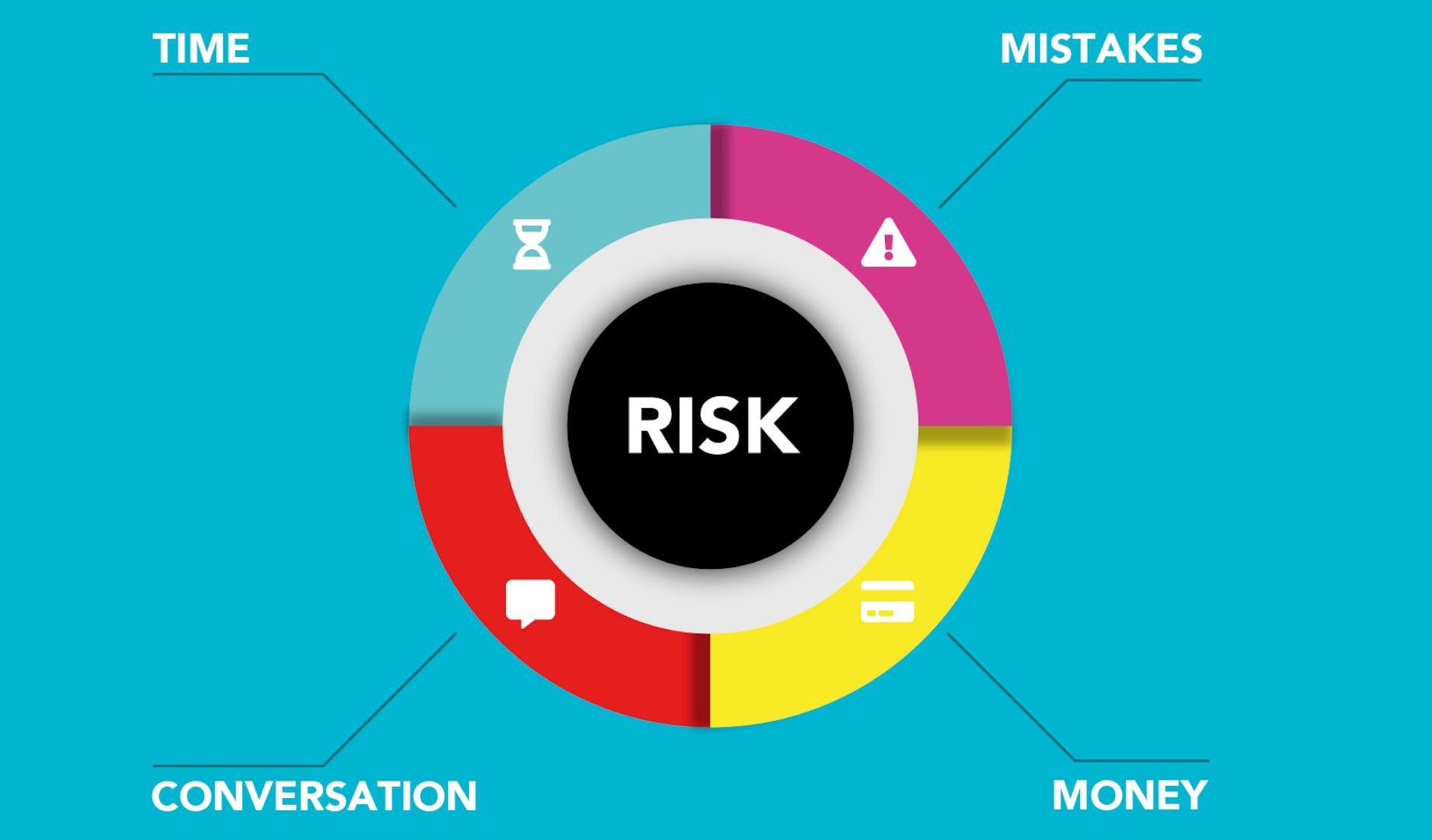
How to Read a Token Risk Score: A Complete Guide to Hannisol's Analysis
Most crypto risk tools display a single number — a score or a rating — without explaining what went into it. "Risk: 72 / 100" tells you almost nothing about why a token is risky, which specific risks are present, or whether those risks are relevant to your particular use case and time horizon. A num
Chawki Malek
The Complete Guide to Solana Token Holder Analysis
If you could read only one data source about a Solana token before deciding whether to buy, it should be its holder distribution. The full picture of who owns a token — how many wallets, in what concentrations, with what funding origins, growing at what rate — reveals more about the structural risk
Hannisol Team
How On-Chain Analytics Work: Reading Solana Blockchain Data for Token Research
In traditional financial markets, investors face a fundamental asymmetry: companies control what information they disclose, when they disclose it, and how it's presented. Management teams can shade narratives, delay unfavorable news, and present misleading summaries. Investors must rely on regulated
Hannisol Team
Understanding Volatility Risk: Why High APY Often Means High Danger
If you've spent any time in the Solana DeFi ecosystem, you've encountered advertised yields that seem almost surreal: 300% APY on staking, 800% on liquidity pools, occasionally four- or five-digit yields on new protocol launches. The natural response for many newcomers is excitement — this is the ki
Hannisol Team
What Is a Token Audit and Why Most Solana Meme Coins Don't Have One
In software development, a code audit is a systematic review of a codebase by independent experts who look for vulnerabilities, logic errors, and undisclosed backdoors. In the Solana token ecosystem, the equivalent is a smart contract (program) audit — an independent review of the token's on-chain p
Chawki Malek
How to Evaluate a Solana Token Project in 10 Minutes
Most people spend more time choosing a restaurant than researching a token before buying it. This imbalance has cost the Solana community hundreds of millions of dollars in avoidable losses. The good news is that the most important risk signals on any Solana token are publicly available and verifiab
Hannisol Team
Short-Term vs. Long-Term Token Risk: Why the Same Token Scores Differently
Most risk tools assign a single score to a token — one number that's supposed to tell you whether it's safe. But "safe" for what? A token that scored "high risk" on a generic risk gauge might be an entirely rational short-term trade. And a token with a "moderate risk" score might be catastrophically
Hannisol Team